Featured
Table of Contents
- – Understanding the Neurobiology of Trauma
- – Exploring Professional Trauma in Top Performers
- – Moving Beyond Medical Trauma Through IFS / Pa...
- – Social Anxiety in Accomplished Professionals
- – Healing from Self-Doubt Through IFS / Parts ...
- – Why IFS Supports Professional Performance fo...
- – Transformation: Success Post IFS
While every person experiences despair in different ways, determining the numerous stages of sorrow can assist you anticipate and understand a few of the responses you might experience throughout the mourning process. It can additionally aid you understand your needs when grieving and discover means to meet them. Understanding the mourning procedure can ultimately assist you work toward acceptance and healing.
You might identify feelings that a stage describes, and this will aid you recognize which stage you are in. Phases can additionally come and go, and and earlier phase can return later.
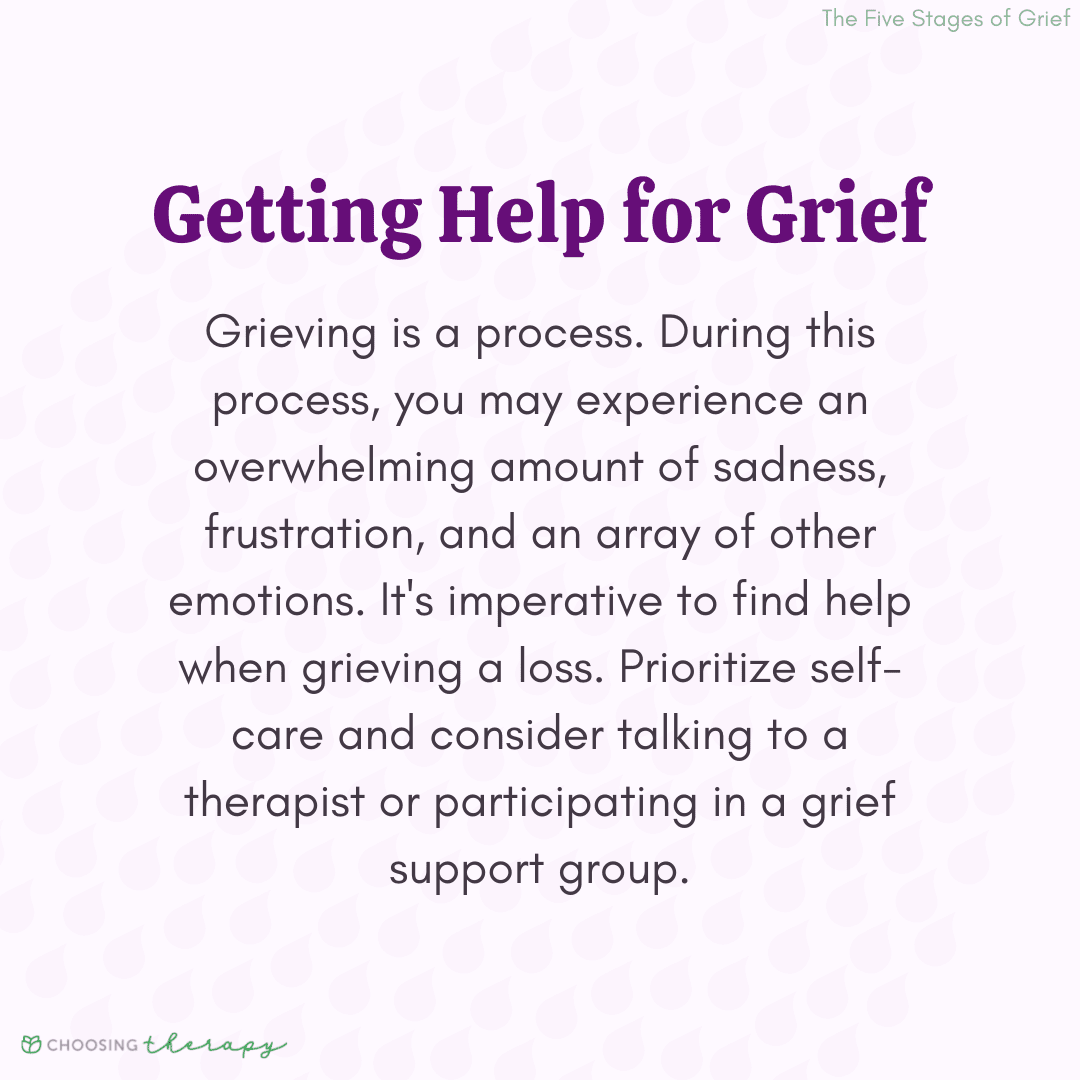
Despair is an universal human experience that touches every person at some time in life. Whether it's the loss of a liked one, the end of a connection, a career obstacle, or one more considerable change, despair is the all-natural emotional action to loss. According to the American Psychological Association, about 10-20% of people experience challenging griefa relentless type of intense griefafter losing a person near to them.
It stands for the strength of your love and the deepness of your loss. The bargaining stage often involves a collection of "what if" and "so" thoughts as you psychologically discuss for a different end result: "So I had taken them to the physician quicker ..." "What if I had been a far better partner/friend/child?" "I guarantee to be a much better individual if this discomfort disappears"A 2020 testimonial in the Journal of Therapy Psychology discovered that negotiating thoughts took place in around 57% of bereaved individuals, with greater prices amongst those dealing with abrupt or unanticipated losses.
Understanding the Neurobiology of Trauma
Acceptance does not mean you're "over it" or that the pain has gone away. Rather, it implies you're finding out to live with the loss as part of your tale: Adapting to a new truth Finding new regimens and patterns Experiencing moments of delight without shame Being able to speak concerning the loss a lot more conveniently Developing meaning from your experienceA longitudinal research released in JAMA Psychiatry found that a lot of bereaved individuals reached some degree of acceptance within 6-24 months, though this timeline varies considerably relying on variables like connection to the departed and conditions of death.
If you're regreting, remember this: your despair reflects the depth of your link. It's not something to "overcome" yet rather to relocate through, carrying your love and memories forward into a life that, while for life changed, can still hold definition and happiness.
Sorrow is a natural psychological feedback to loss. Regreting is a procedure that can aid you pertain to terms with a loss, such as when an enjoyed one dies. Every person experiences despair in a different way. Your experience of pain and exactly how you handle it will certainly depend on different elements. These might include your age, previous experiences with sorrow and your spiritual or spiritual sights.
Exploring Professional Trauma in Top Performers
Awaiting sorrow indicates sensation sad before the loss occurs. As opposed to grieving for the person, that is still with you, you may feel grief for the important things you will not reach do with each other in the future. When dealing with a considerable loss, such as the death of an enjoyed one, it is natural to really feel many strong emotions.
This does not imply you have quit on the person or that you do not care for them. People identified with an incurable health problem and those facing the fatality of an enjoyed one might experience awaiting sorrow. If you have been diagnosed with a terminal illness, you might experience lots of emotions including shock, anxiety and despair.
You grieve shed opportunities or experiences you'll miss out on even little ones, such as the satisfaction of the sunlight or a hot cup of coffee. If a person you like is facing an incurable health problem, it is common to experience awaiting sorrow in the months, weeks and days prior to death. You might regret the same things your loved one is grieving, or different losses completely.
Moving Beyond Medical Trauma Through IFS / Parts Work Therapy in Sacramento
You might really feel that the individual you recognized is already gone, also if they are still physically there. If your liked one has a decline in physical health or mobility, you could feel awaiting pain as you shed the possibility to share experiences, such as hobbies, vacations or occasions.
This is especially true if you spend a great deal of time caring for the individual. You might miss tasks you utilized to delight in with each other and feel pain concerning the modification in your connection. The nature of your connection might alter as you take on a carer's role, or end up being the one being looked after.
Social Anxiety in Accomplished Professionals
Sensations of sorrow before fatality are normal it's essential to recognise them, and to chat concerning them. Experiencing awaiting sorrow does not always indicate that you will regret your loved one any much less after they are gone.
Healing from Self-Doubt Through IFS / Parts Work Therapy in Your Area
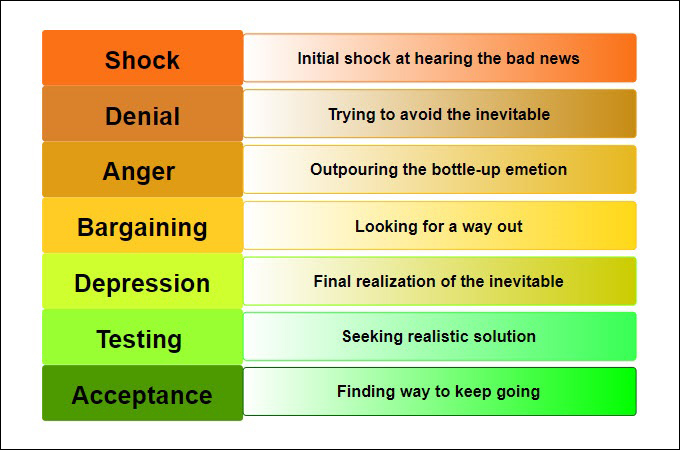
Individuals speak about the five phases of sorrow as: denial rage negotiating depression acceptance. Actually, we do not experience feelings of grief one by one or in a certain order. We understand that there are no collection stages that every person goes through. You may experience these points due to the fact that they are all typical feelings of sorrow.
It's regular to feel other things too, such as shock, stress and anxiety, fatigue, or regret. Some people feel numb after the fatality of an individual they cared about. They may also try to lug on as though nothing has actually occurred. If you experience this, maybe because it's simply too unsubstantiated that the individual you understand so well is not coming back.
Why IFS Supports Professional Performance for Healthcare Providers in Sacramento
Maybe they guarantee themselves that they will now constantly do (or not do) something, believing that it might make the person who has died come back. Or perhaps they think it will certainly quit anybody else passing away or various other bad things happening. This is sometimes called 'magical reasoning'. People might additionally locate that they maintain returning over the past and ask great deals of 'what happens if' inquiries, wanting that they could go back and transform things to make sure that they can have transformed out differently.
These sensations can be extremely intense and unpleasant, and they might come and go over several months or years. The majority of people find that excruciating feelings like this become much less solid over time. If you do not feel this is the instance for you, then you should ask for help.
Her model came to be extensively approved as a method to comprehend despair, but with time, despair counsellors and researchers broadened upon it, leading to the development of the. This extended version incorporates added emotional feedbacks that individuals may experience: The initial reaction to loss typically brings shock and disbelief. This stage functions as a safety system, enabling us to take in the fact of our loss in manageable doses.
Transformation: Success Post IFS
As the shock discolors, deep psychological pain embed in. Sensations of remorse or guilt might arisewondering if you could have done something in different ways, or feeling sorrow over things left unsaid. It's necessary to acknowledge these sensations as opposed to suppress them. Despair can manifest as angertoward yourself, others, and even the person who has passed.

Table of Contents
- – Understanding the Neurobiology of Trauma
- – Exploring Professional Trauma in Top Performers
- – Moving Beyond Medical Trauma Through IFS / Pa...
- – Social Anxiety in Accomplished Professionals
- – Healing from Self-Doubt Through IFS / Parts ...
- – Why IFS Supports Professional Performance fo...
- – Transformation: Success Post IFS
Latest Posts
Evidence-Based Approaches treating OCD in Roseville, CA
Importance of Selecting Experienced Practitioners offering Cognitive Assessments for Your Recovery
Resolving Attachment Trauma By Utilizing Healing Modalities for Recovery
More
Latest Posts
Evidence-Based Approaches treating OCD in Roseville, CA
Importance of Selecting Experienced Practitioners offering Cognitive Assessments for Your Recovery
Resolving Attachment Trauma By Utilizing Healing Modalities for Recovery