Featured
Table of Contents
Movement and physical expression additionally play important roles in somatic trauma therapy. Since trauma often involves combated physical responses (like being not able to run or fight), deliberate movements can help finish these cut off survival reactions.
By maintaining concentrate on these areas while processing bodily sensations, customers can launch deeply held injury. Eye Movement Desensitization and Reprocessing (EMDR) incorporates somatic awareness as clients process distressing memories. While following reciprocal excitement (normally eye activities), clients are asked to see bodily sensations that arise. This combination of physical awareness with cognitive processing aids attend to trauma holistically.
If you're considering somatic injury treatment, recognizing what to expect can assist you feel a lot more comfy with the process: When looking for somatic treatment, choose a qualified specialist therapist and therapist with specialized training in techniques like Somatic Experiencing, Sensorimotor Psychiatric Therapy, or Hakomi. See to it they have experience with your worries and that you feel secure and comfortable with their strategy.
While some individuals feel relief in a couple of sessions, intricate trauma might take much longer. Somatic therapy is based in solid theoretical frameworks like polyvagal concept and sustained by expanding medical evidence.
Building Body-Based Self-Regulation
It is believed that injury held within the body can lead to psychological dysregulation. Via somatic experiencing therapy, it's feasible to launch that injury that has become trapped within the body. Peter Levine, a programmer of somatic experiencing therapy, assumed that individuals might come to be trapped in a "freeze" state when they experience trauma.

The purpose of somatic experiencing treatment is to reroute the individual's power in a healthier instructions, help people create the tools they need to regulate their feelings and move out of the fight or trip state. Below are some of the core concepts behind this type of treatment: The body and mind are thoroughly connected.
The Reality of Physical Healing
Repressed memories can remain to influence your body literally, also if those memories are neglected. These memories have to be felt so that they can be totally processed. Till they are really felt, they will certainly remain to do damage. To process memories, the client should really feel the physical sensations connected with the distressing events to gain access to and procedure the body's memory of the occurrence.
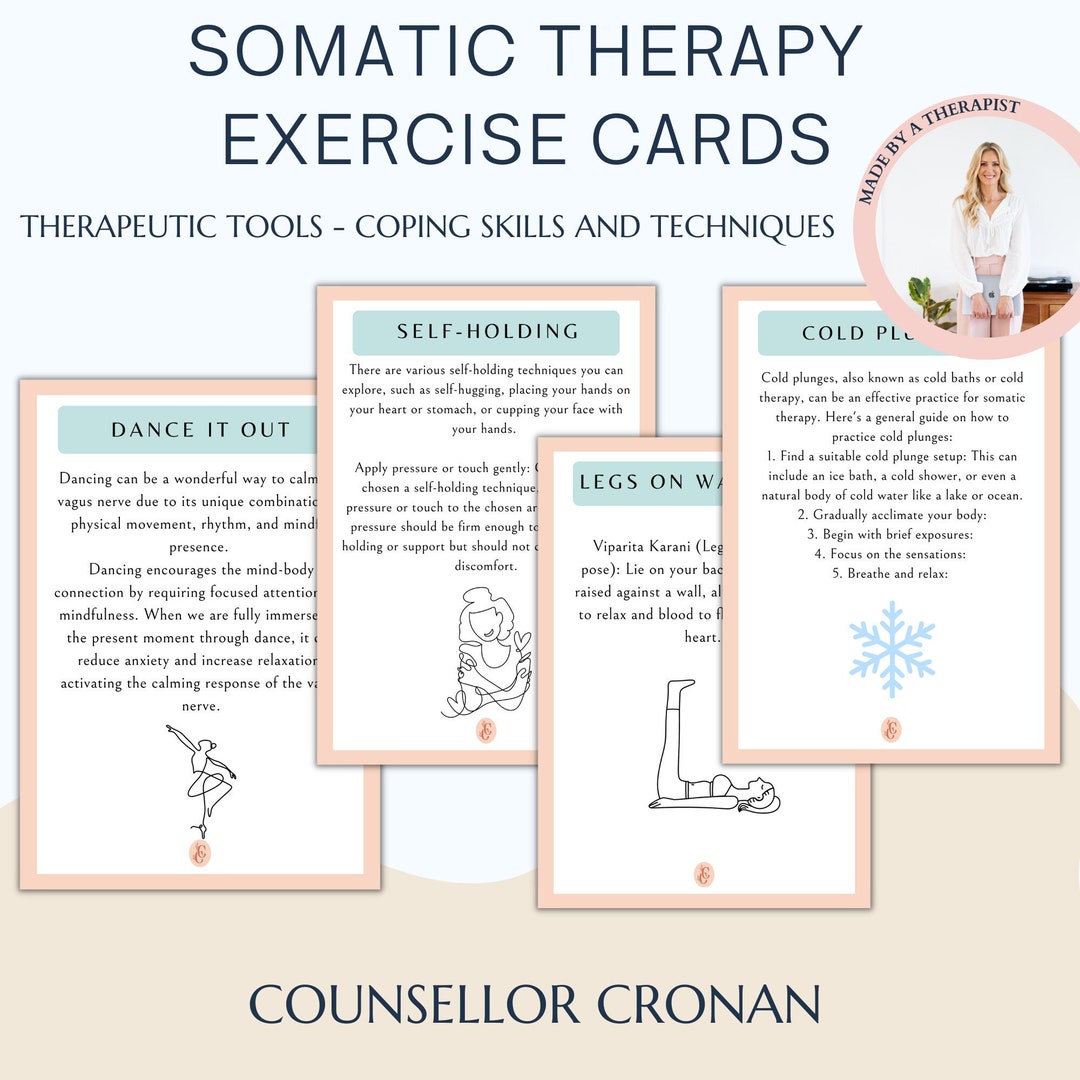
This goal can be accomplished with various workouts intended at redirecting the person's power. There are several exercises that clients can make use of to assist them move out of the fight-or-flight state and manage their emotions. These consist of: Grounding exercises help bring people back to the present moment and take their minds off of stressful previous occasions.
Somatic monitoring is all regarding focusing on the signs and symptoms without responding to them. With time and method, the mind will certainly learn that the symptoms and emotions are not a genuine risk.
Understanding how to simply observe your emotions and experiences can also aid you far better regulate your automated nervous system. In somatic therapy, titration is the technique of reducing things down. Distressing events are commonly experienced at lightning-fast speed. The experience is way too much, ahead of time. To counter this, titration reduces things down a little bit.
Complimentary Consultations and Determining the Right Fit
Titration is an efficient and secure way to manage trauma and encounter it in levels, instead of simultaneously. Somatic experiencing trauma therapy supplies numerous advantages, including: When successful, somatic treatment allows individuals to finally launch the distressing memories that have actually maintained them in a frozen state. The release and resolution of these memories can minimize signs and help clients find out how to live in today moment as soon as again.
As individuals technique somatic experiencing therapy workouts, they find out exactly how to end up being much more mindful and in harmony with the experiences in their bodies. Improved understanding can cause a better sense of wellness and a sensation of remaining in greater control. Somatic therapy can improve an individual's lifestyle in several ways.
Through the exercises and practices related to this type of therapy, individuals discover just how to adjust and handle anxiety. Trauma can occasionally make individuals ice up to the point where they can not make particular movements. This kind of treatment can help these people learn just how to let go of their quelched injury and step parts of their body that were as soon as limited.
Accessing Specialized Care Remotely
It uses physical experiences in the body to aid deal with stressful events and manage the nerve system. Just by dealing with and genuinely really feeling the physical sensations connected with the traumatic occasion can you finally start recovery. Lots of people have actually experienced the power of somatic experiencing therapy, and you can, also.
Empirical research has actually shown that SE can be a reliable therapy for treating trauma. Randomized regulated tests (RCTs) are commonly thought about the gold requirement of research study and are often used to examine the performance of treatments before using them to broader populations. In the case of SE, there are just a couple of recorded RCTs.
An additional RCT established by Andersen and collaborators (2017) compared therapy as normal with SE along with standard therapy for PTSD and persistent discomfort. They discovered that participants in the SE team reported a substantial decrease in the amount of PTSD symptoms and concern of movement. Furthermore, both treatment groups reported a substantial decline suffering and handicap.

Latest Posts
Investment and Payment: Navigating Ketamine Therapy Pricing
Why Concentrated Emotionally Focused Therapy (EFT) Treatment Work More Effectively
Trauma Dysregulation and Recovery